




The whole point of mitigation is to stop the damage from growing. Do not confuse it with rebuilding. Mitigation covers the steps taken ahead of repairs so undamaged materials stay that way. In Vallejo, our team handles mitigation by controlling the source, removing the water, containing the wet area and stabilizing the structure. When this stage goes right, there is less to rebuild afterward, occasionally nothing at all.
The words mitigation and restoration get used as if they were interchangeable. They are two phases. Mitigation is the emergency phase: stop the loss, limit the spread, stabilize the home. Afterward comes restoration, when dryness is verified and ruined flooring, drywall and finishes get fixed or rebuilt. Insurance companies also bill the two as separate line items, which makes it useful to know your current phase.
Four tasks make up most mitigation visits. Source control, so no new water enters. Two: extract whatever water is standing. Three: contain the area with plastic sheeting and managed airflow, so clean rooms stay free of moisture and contaminants. Four: stabilize by pulling materials beyond saving, applying antimicrobial to surfaces and setting up air movers plus dehumidifiers. We also protect furniture and belongings by moving or blocking them up.
Water Damage Mitigation Prevention Tips
Taking preventive measures can help you avoid costly water damage issues down the road. Follow these tips from our IICRC-certified technicians:
- An automatic valve on the main line can cut the water as soon as it detects a leak.
- Roof penetrations, door frames and window edges should be sealed ahead of the next big storm.
- Find the main water valve and make sure it has not seized.
- Check under sinks and around toilets monthly for drips, stains or soft flooring.
- Downspouts should empty well clear of the foundation, and gutters need to stay free of debris.
- Trade rubber washer hoses for braided steel, and renew them roughly every five years.
Water Damage Mitigation Issues? We Can Help.
Get a free estimate from our expert team today.
Call (984) 307-6901 NowSigns It Is Time for Water Damage Mitigation
Recognizing the warning signs early can save you time, money, and prevent significant damage to your property. Here are the most common indicators that it's time to call a professional:
- Water is moving from one room into the next along the flooring.
- Underfoot the carpet is spongy because the padding below holds water.
- A musty odor has begun because materials stayed wet for a day.
- Since the leak you have noticed puffed-up baseboards or gaps opening behind them.
- Water is no longer flowing, though it has left wet floors, cabinets or walls behind.
- Windows keep fogging and the air feels humid days after the water loss.
- An opening in the roof or at a window lets rainwater enter the building.
Don't Wait Until It's an Emergency
Many water damage problems start small but can escalate quickly into costly emergencies. Call Vallejo Restoration at (984) 307-6901 at the first sign of trouble.
The Benefits of Professional Water Damage Mitigation
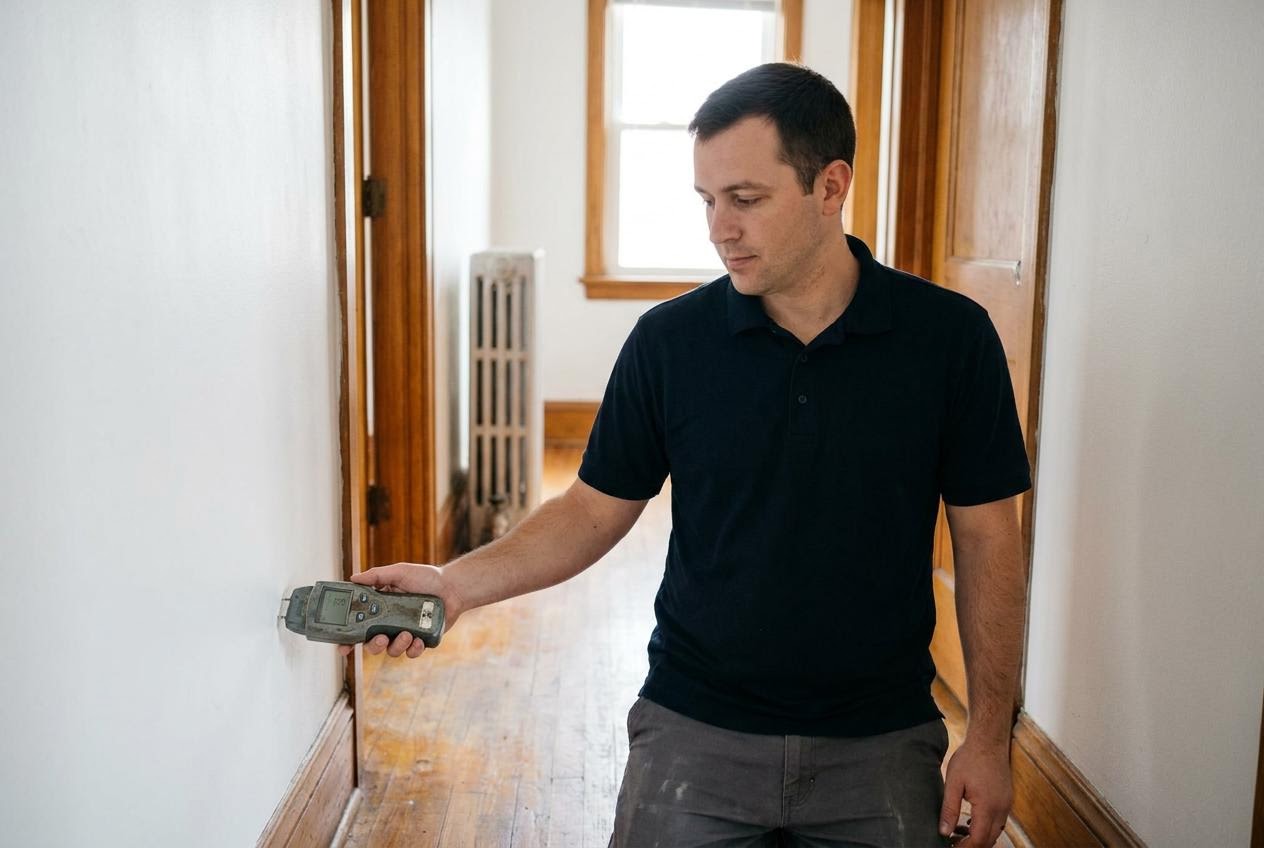
Doing mitigation well means making a string of quick judgment calls. What drywall stays and dries where it is, and what must be removed? Which category applies, 1, 2 or 3, and did that change after the leak first began? Does the cabinet toe kick need to come off? Each decision rests on meter readings and our training, never on whether something seems dry to the eye or hand.
Your insurance claim benefits from proper mitigation too. Under most policies you must act reasonably to keep the damage from growing, with proof that you did. We photograph conditions on arrival, record moisture readings daily and keep a list of anything removed. Together those records show the water's effect and our response to it. Whoever handles repairs then begins from a known condition, and nothing wet ends up sealed behind new wallboard.
How Our Water Damage Mitigation Works
We follow a proven process to ensure every job is completed to the highest standards. Here's how we handle water damage mitigation from start to finish:
Control the Source
The supply gets shut off, the broken line capped, or the opening letting water in tarped and boarded. When the permanent repair calls for a roofer or plumber, we help schedule it.
Remove Standing Water
We extract standing water using pumps and extraction units, then check carpet and its padding. Fast removal of bulk water limits damage more than drying equipment could by itself.
Set Up Containment
Wet rooms are closed off from dry ones with barriers of plastic sheeting and controlled airflow. This keeps humidity, dust and any contaminants from travelling through the house while work is under way.
Stabilize the Structure
Unsalvageable materials are removed, surfaces get antimicrobial treatment, and air movers and dehumidifiers are set. Moisture readings are recorded on every visit until the structure can be repaired, typically in 3 to 5 days.
Want a Professional Opinion?
Our experienced technicians can assess your situation and recommend the best solution.
Call (984) 307-6901 NowWater Damage Mitigation FAQ
Comparing DIY and Professional Water Damage Mitigation
While some minor restoration tasks can be handled by handy homeowners, most water damage work requires professional expertise, specialized equipment, and proper safety training. Consider the following comparison:
| Factor | DIY Approach | Professional Service |
|---|---|---|
| Extraction | Wet vac and a stack of towels | Extraction units and pumps, fast |
| Contamination | Wiping obvious spots with bleach | Antimicrobial matched to water category |
| What stays or goes | Hoping wet materials recover | Readings decide what stays or goes |
| Isolating wet rooms | Towels along the door gap | Airflow control behind sealed plastic |
| Insurance documentation | Some pictures on your phone | Dated images and daily meter logs |
Schedule Your Water Damage Mitigation Service
Don't let water damage problems get worse. Call Vallejo Restoration now for prompt, professional service.
Get Help: (984) 307-6901